Writing / cybersecurity · CTF · community · leadership
The Weekend Hack: Three Editions of Building a Cybersecurity Community
What three editions taught me about CTF operations, sponsorship, student leadership, and growing a recurring community event.
The Weekend Hack began with a community survey. Cybersecurity was the topic students most wanted to explore, so we built a program around virtual training, in-person workshops, and a Capture the Flag competition. Over three editions, it grew from an ambitious student event into a recurring space for learning, competition, and new community leaders.
The first edition: learning to build the event
The first edition reached approximately 300 people across the program. The CTF preparation session brought together 162 attendees, 164 students registered for the in-person event, and 124 teams joined the competition. Students participated from several universities and technical majors, and the livestream reached viewers outside Peru.
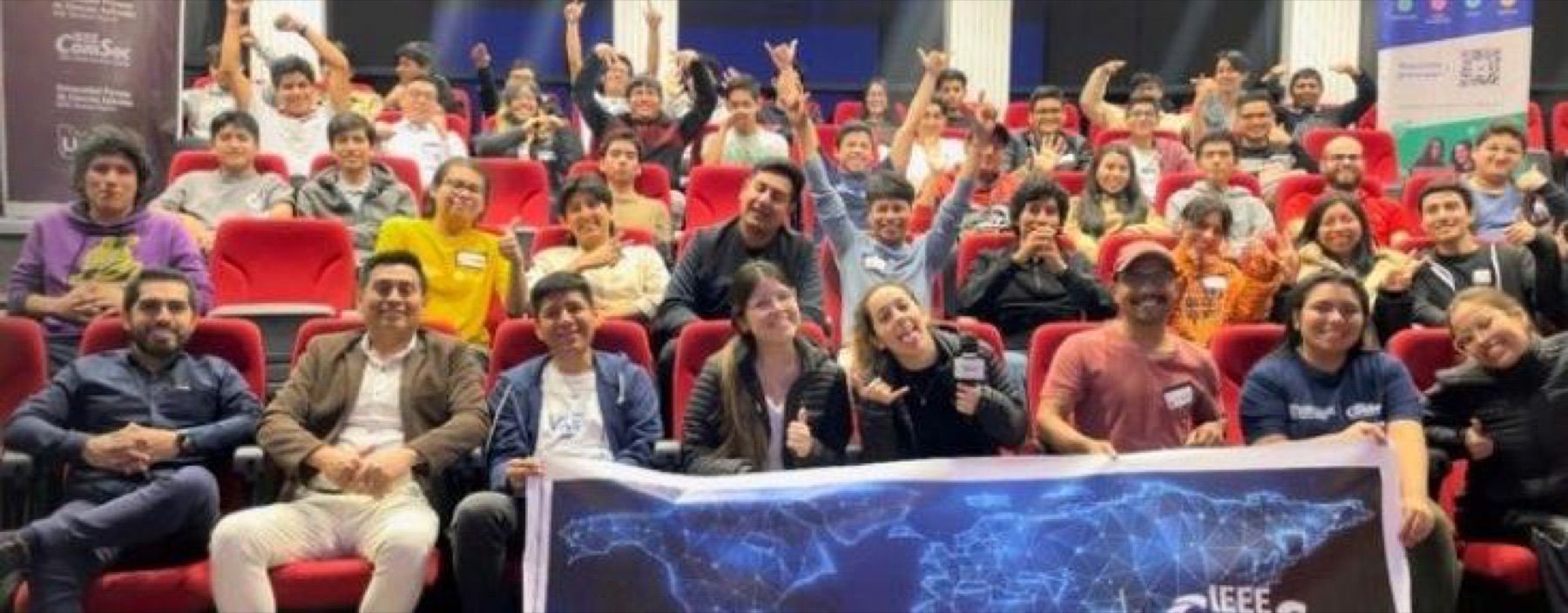
The original auditorium became unavailable, so the university helped us move to another venue. External attendees encountered strict entrance requirements, and some promotional materials arrived after the main event. We also learned that enthusiasm is not a substitute for a budget. Earlier sponsorship would have improved signage, catering, identification badges, prizes, and materials.
Those constraints made the fundamentals of event operations visible. Tasks need clear owners, deadlines need follow-up, and the team must identify risks before they become emergencies. Multiple sponsors reduce risk, while experienced security practitioners need to be involved early enough to help design and operate the CTF—not only speak on the final day.
The second edition: learning to scale
The second edition expanded into four days of live online workshops followed by an in-person program and CTF. More than 100 people attended the morning sessions, around 70 stayed for the afternoon, and 120 groups representing approximately 280 students registered for the competition.
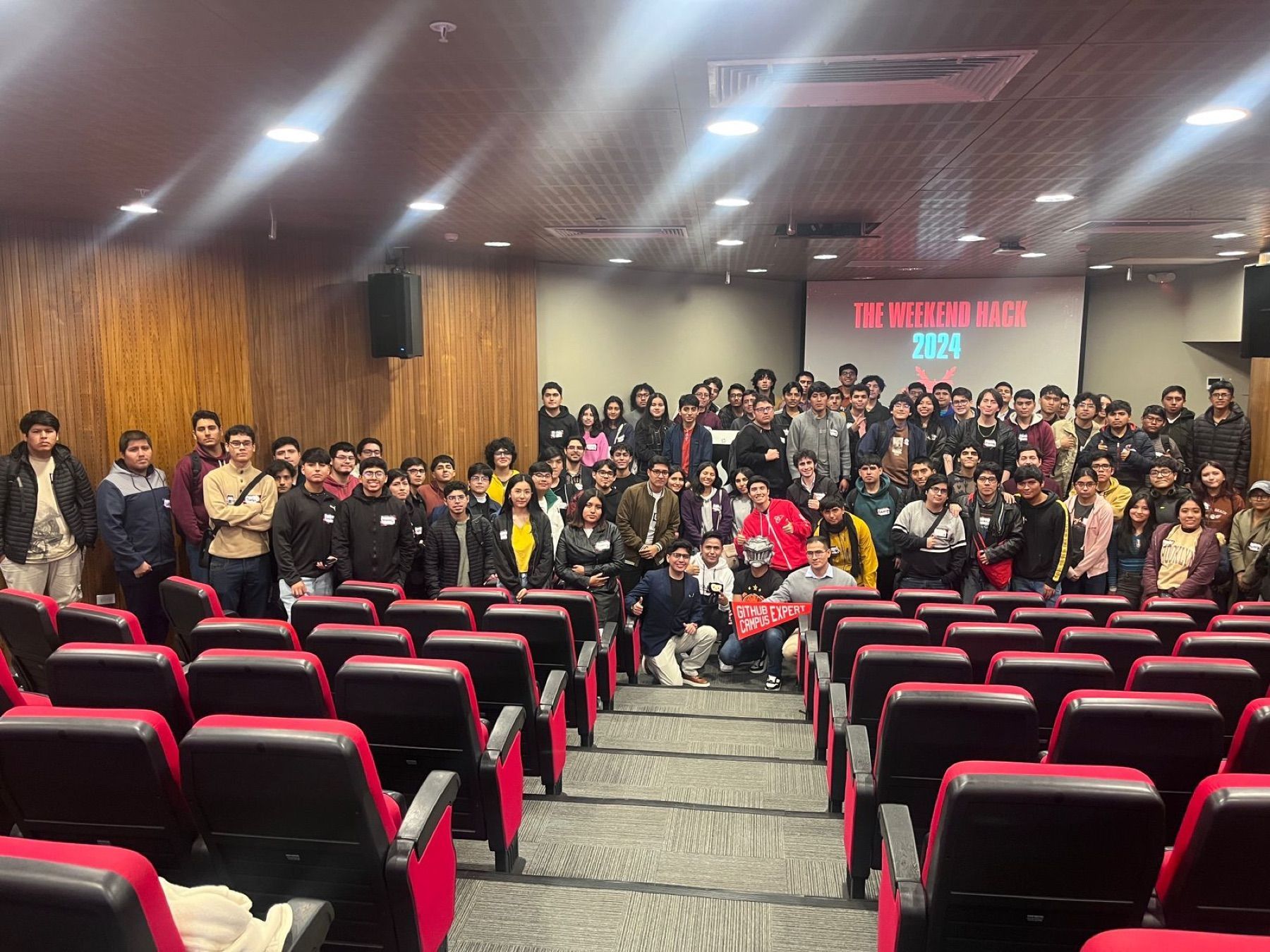
CTF platforms can consume most of a student event’s budget. Instead of renting one directly, we negotiated a sponsorship with an experienced company. The partner provided the platform, created the challenges, and supported participant management. The agreement reduced costs and improved the technical quality of the event—a genuine collaboration rather than a logo placement.
This was also our first edition with direct GitHub sponsorship. I learned about budgeting, invoices, sponsor expectations, and expenses that are easy to overlook. Some external attendees could not enter because they had missed the university registration deadline, reinforcing that venue access is part of the event experience too.
The third edition: becoming a community
Despite its name, the third edition had grown into a full week. More than 500 students participated across the activities. Three online sessions reached over 200 people, approximately 75 joined the in-person day, and 50 teams of three students competed in the CTF.
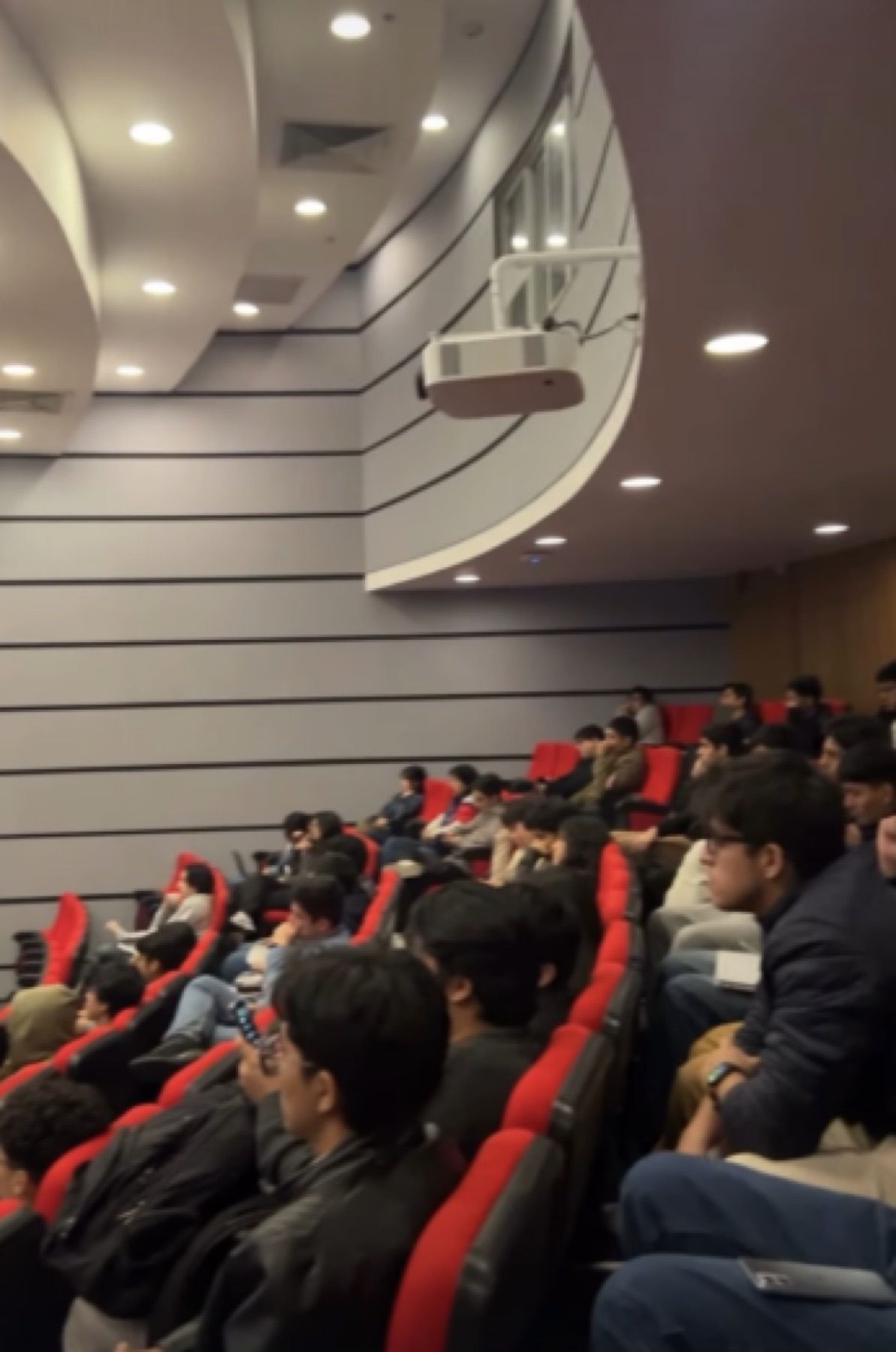
Growth introduced new operational problems. A venue-booking issue reduced our available hours and pushed one activity online. The in-person event ended later than expected, which meant some students had to leave before public transportation stopped running. Larger events require stronger venue agreements, more schedule buffer, and a firm plan for when activities must end.
We also worked with experienced cybersecurity professionals who monitored the environment and responded when participants attempted prohibited automation or potentially disruptive techniques. Their involvement protected the platform and kept the competition fair.
What changed across three editions
The event improved because each edition turned mistakes into planning inputs:
- task ownership became clearer;
- budgets and sponsor relationships became more deliberate;
- expert partners strengthened the platform, challenges, and security;
- access requirements and venue constraints became part of the event plan; and
- earlier attendees gained ways to contribute to later editions.
Cybersecurity is not my primary specialty, but organizing the series taught me the operational side of technical communities: speakers, logistics, sponsors, volunteers, fairness, safety, and risk.
From attendees to leaders
The most meaningful result was not an attendance number. Students who joined the earliest editions created a small cybersecurity learning community. Some later became speakers, led sessions, and started internships.
The Weekend Hack began when we were freshmen imagining a large event for our community. By the third edition, earlier participants were helping create the experience for someone else. That progression—from attendee, to contributor, to leader—is what makes a recurring community event worth sustaining.